


Fire Alarm and Fire Fighting Systems
Service Details
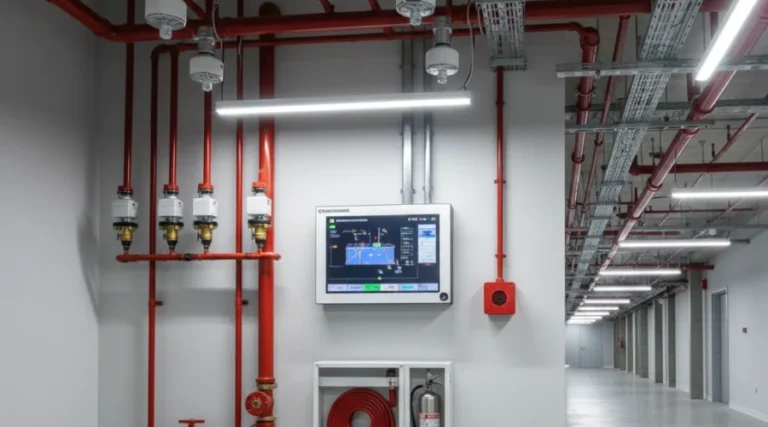
Fire alarm and fire suppression systems are essential solutions for protecting lives and property. These systems enable early fire detection, issue audible and visual alarms, and automatically activate fire suppression systems to reduce risks and prevent fire from spreading. Thanks to advanced technology, these systems have become an indispensable part of residential, commercial, and industrial buildings, ensuring safety and minimizing losses.
Components of Fire Alarm and Fire Suppression Systems
Fire Detection Devices (Fire Detectors)
- Smoke Detectors: Detect the presence of smoke in the air.
- Heat Detectors: Sense abnormal rises in temperature.
- Gas Detectors: Detect leaks of flammable gases.
Control Panel
The control panel is the brain of the system, receiving signals from detection devices and issuing commands to activate alarms and fire suppression systems.
Alarm Devices (Alarms)
Issue audible and visual alerts to warn building occupants of a fire.
Automatic Fire Suppression Systems (Automatic Fire Suppression Systems)
Such as automatic water sprinklers (Sprinklers), and fire suppression systems using carbon dioxide (CO2) or chemical foam.
Manual Call Points (Manual Call Points)
Allow individuals to manually report a fire upon discovery.
Smoke Control Systems (Smoke Control Systems)
Help reduce the spread of smoke within the building to ensure occupant safety during evacuation.
Importance of Fire Alarm and Fire Suppression Systems
Human Safety
The top priority of these systems is protecting lives. Early warning gives people enough time to evacuate the building safely and reduces the risk of injury from smoke inhalation or exposure to fire.
Property Protection
Fire fighting systems help reduce physical damage to buildings and property. They help prevent fire from spreading to other areas, which limits the scale of losses.
Compliance with Laws and Regulations
Many national and international laws require fire alarm and fire fighting systems in public and private buildings to ensure safety. Non-compliance may result in financial penalties or building closure.
Improving Insurance Terms
Having these systems can lead to better insurance terms for buildings and property. They build trust among customers and visitors by providing a safe environment.
Reducing Environmental Impact
Fires cause environmental pollution from chemicals and smoke. Rapid response and fire suppression help reduce environmental damage.
Business Sustainability
Reducing fire-related losses helps businesses continue operating without interruption. It maintains operational stability and reduces costs associated with rebuilding or repair.
Types of Fire Suppression Systems
| System | Description |
|---|---|
| Sprinkler System | Automatically sprays water when a fire is detected. |
| CO2 System (CO2 System) | Used in areas containing sensitive electronic equipment. |
| Chemical Foam System (Foam System) | Used to fight fires caused by flammable liquids. |
| Dry Powder System (Dry Powder System) | Used for fires involving combustible metals. |
Benefits of Using Fire Alarm and Fire Suppression Systems
| Benefit | Details |
|---|---|
| Protecting Lives | Reduces the risk of injury or death during fires. |
| Reducing Property Damage | Prevents the spread of fire and reduces the scale of material losses. |
| Improving Insurance Terms | Obtaining better insurance terms thanks to the protection systems available. |
| Regulatory Compliance | Compliance with local and international regulations to avoid fines and shutdowns. |
| Reducing Environmental Impact | Reducing pollution resulting from fires. |
| Business Sustainability | Reducing work stoppages caused by fires. |
Tips for Ensuring the Effectiveness of Fire Alarm and Fire Suppression Systems
- Routine Maintenance: Make sure to inspect the systems regularly to ensure their readiness.
- Staff Training: Train employees on how to act when a fire alarm sounds and how to use firefighting equipment.
- System Updates: Make sure the systems meet the latest standards and technologies to ensure effective protection.
- Evacuation Plan: Establish a clear and specific evacuation plan and train staff to carry it out in emergencies.
Summary
Fire alarm and fire-fighting systems are an essential element for ensuring safety and security in buildings. Through early fire detection and the activation of preventive measures, these systems help protect lives, reduce material damage, and ensure compliance with regulations.
🚨 With fire alarm and fire-fighting systems, safety begins with a single step! Be prepared for any emergency!
Service Features
Lorem ipsum dolor sit amet
Lorem ipsum dolor sit amet
Lorem ipsum dolor sit amet
Lorem ipsum dolor sit amet
Lorem ipsum dolor sit amet
Lorem ipsum dolor sit amet